Brome - Occurrence

Posted 10 years ago
19/12/2016
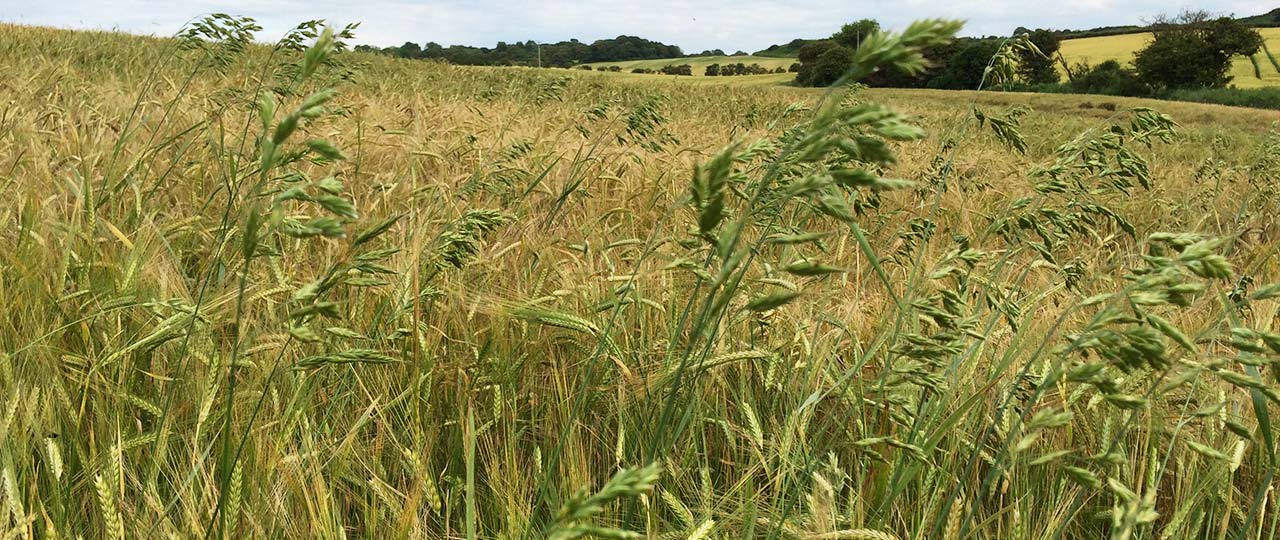
In the UK, there are five main species of Brome which frequently occur as weeds of arable crops. Their relative frequencies, as reported in the Atlas of the British Flora (2002), are given as the (%) of the 2852 10 x 10 km grid squares surveyed in which the species was detected.
Very common throughout England and Wales, more scattered in Scotland. (65%). Very common in field margins and hedgerows as well as within arable fields.
Mainly recorded in East Anglia but scattered throughout the rest of England. (11%). Probably under-recorded due to confusion with B. sterilis.
Very common throughout the UK. (85%). Most commonly found in grassland, field margins, waste ground and roadside verges, but does occur in arable fields too.
Mainly recorded in the southern half of England. (27%). More commonly found in grassland situations, especially old pastures, but also occurs in arable fields.
Mainly recorded at scattered locations in the southern half of England. (14%). Largely confined to arable fields, field margins and waste ground. Probably under-recorded due to confusion with B. commutatus.