Brome - Damage

Posted 10 years ago
19/12/2016
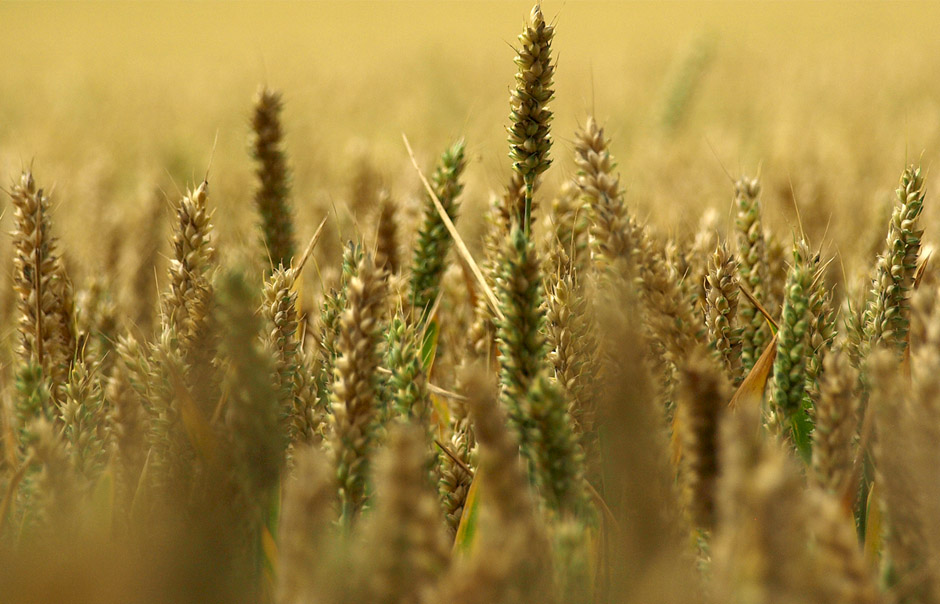
Bromes are some of the most competitive grassweed species with similar competitive abilities to wild-oats and Italian Rye-grass.
A population of five plants/m2 typically causes a yield loss of 5% in cereals, but much higher crop losses can occur in severe infestations, especially if crop lodging occurs. High populations can slow harvesting and lead to contamination of grain and straw. All Brome species are greatly encouraged by non-inversion tillage and early sowing.
Brome species emerged as a problem in the late 1970s and early 1980s with a shift towards more autumn cropping and non-inversion tillage.
Straw burning was an effective method of killing Brome seeds, but that practice was banned in 1993. At that time, few herbicides gave effective control in cereals. Although more effective herbicides are now available for use in winter wheat, there are fewer options in winter barley and spring crops.
Bromes are annual grass-weed propagated solely by seeds and, if uncontrolled, weed populations can increase rapidly.
Seeds of all brome species tend to have shorter dormancy, and be less persistent in the soil, than black-grass, rye-grass and wild-oats. Exposure to light inhibits germination of freshly shed seeds of sterile and great brome. Annual seed decline in the soil is about 85 – 90% for bromes as compared with 70 – 80 % for black-grass. Consequently, preventing seed production should enable brome populations to be substantially reduced within two years, but achieving complete control can be a challenge. Soft, meadow and rye brome seeds have slightly greater longevity in the soil than sterile and great brome.