Black-grass - Management guidance and best practice

Posted 10 years ago
19/12/2016
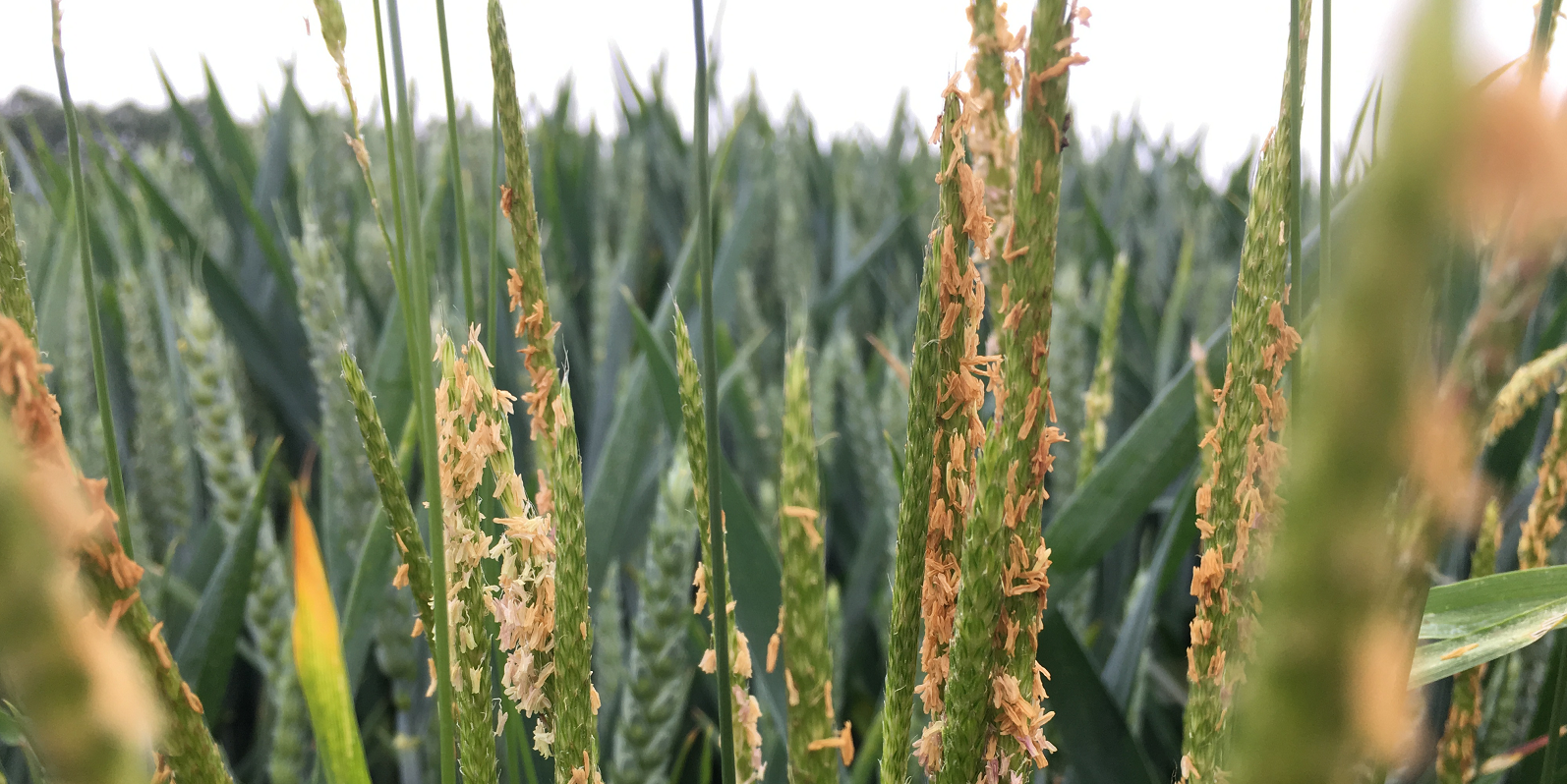
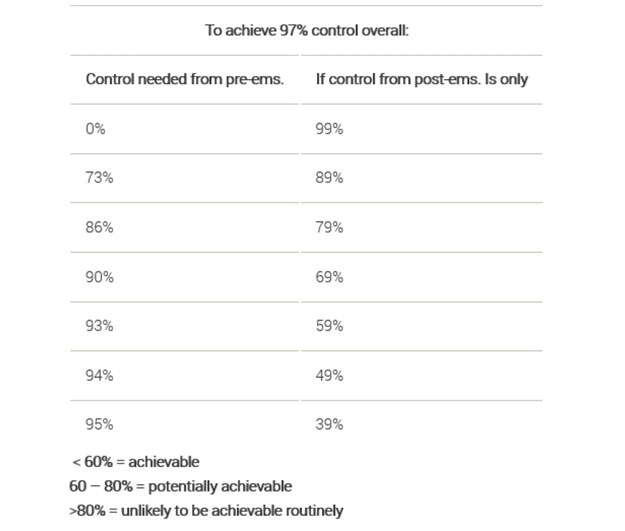
Aim: About 97% control of black-grass is required in a non-inversion tillage system to prevent populations increasing.
The challenge: As efficacy of post-emergence herbicides declines as a consequence of resistance, greater reliance on pre-emergence herbicides is needed.
The problem: It is unlikely that the high levels of control needed from pre-emergence herbicides can be achieved routinely, especially in dry years.
Increased control is needed from pr-emergence herbicides to compensate for the declining performance of post-emergence herbicides.
Reliance on herbicides alone for control of black-grass is not a sustainable strategy. Integrating the use of several non-chemical methods, in combination with herbicides, is the only long-term solution.
Pre-sowing – destroying all emerged black-grass plants before sowing a crop is essential. Use of Roundup ensures a better degree of kill than cultivations alone.
Pre-emergence herbicides, such as flufenacet, pendimethalin, prosulfocarb and tri-allate, can provide a good level of control of black-grass in cereals (50 – 80%) and efficacy is usually only partially reduced by resistance.
Post-emergence herbicides, such as clodinafop, pinoxaden, flupyrsulfuron, mesosulfuron + iodosulfuron, pyroxsulam, propaquizafop, cycloxydim, clethodim, propyzamide and carbetamide, can give good control of susceptible black-grass in a range of crops, but resistance to many of these herbicides is increasing rapidly.
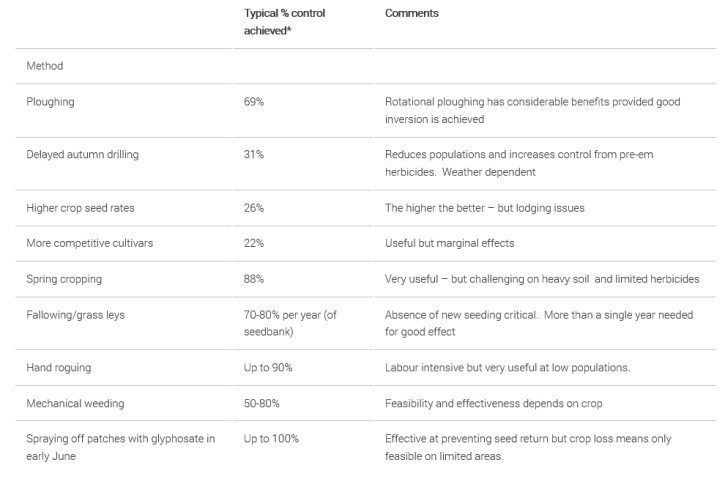
These are average control values recorded in a review by Lutman, Moss, Cook & Welham, 2013. Control will vary considerably in individual fields – better or worse.
Reliance on herbicides alone for control of black-grass is not a sustainable strategy. Integrating the use of several non-chemical methods should improve overall control and reduce reliance on herbicides.